

When the OASIS reunion was announced, without even an Italian date on their tour, the first question I asked myself was: “How much does it cost to see them abroad, aside from the ticket price?”
The idea was born there: to create a tool that gathers flights for the band’s concerts, helping those like me who love to travel and want to enjoy the experience to the fullest.
Said and done! Within a week, Flight2Oasis was born: a website that aggregates flights to OASIS concerts from 15 different countries. A part of the project, however, lives on Telegram, with a bot that publishes flights departing from Italy every day.
And then? Nothing, I forgot about it.
Until one day, after yet another notification from the bot, I thought: “Is this still working?”
And it sure is! That’s why I decided to use it as an opportunity to reflect on one of the most common challenges in our work: balancing speed and sustainability in a software project.
Fretta Driven Development (FDD)
We all know it: Fretta(haste) makes waste. But sometimes, it’s exactly what’s needed to be effective. Flight2Oasis had to be released quickly, or it would have been irrelevant. I set myself a goal: one week.
To meet that deadline, I made conscious choices: I sacrificed code quality and technical design to focus entirely on the immediate goal. The result? A functional platform that does exactly what it’s supposed to do: find flights and publish them.
But what works today isn’t necessarily sustainable tomorrow. If I had to add a new feature now? It would probably take me twice as long. The reason? Technical debt (Italian content) ;)
Like an X-Wing: adapting the approach to the project’s phase
Reflecting on the approach I took for this project, I was reminded of the X-Wings from Star Wars.
These starfighters have two flight modes: one for combat, with their wings in an X position for maximum agility and speed, and one for travel, with their wings closed to ensure stability and long-range autonomy.
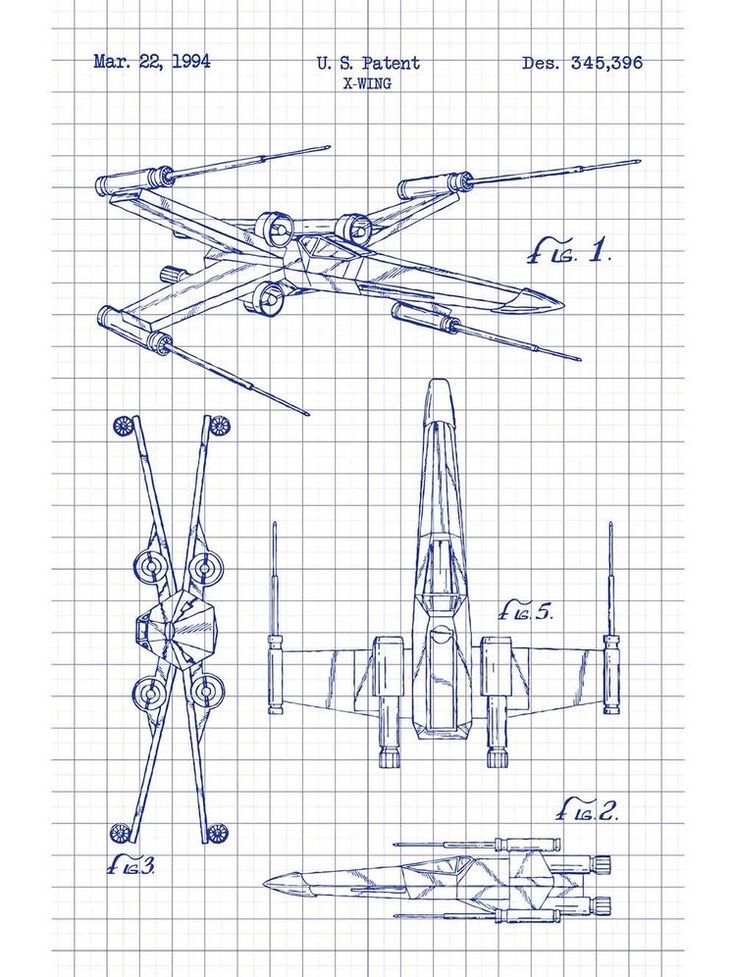
The same applies to managing software projects. There are moments when you need to be quick, agile, almost reckless—like when launching a new idea or responding to a market urgency. And there are moments when you need to switch gears, build a solid structure, manage technical debt, and think long-term.
The role of a project leader is precisely this: understanding when it’s time to fly fast and when to slow down and plan. A technical leader must know how to adapt the approach to the project’s evolution, balancing speed with future sustainability.
Bridging the gap between business and the technical team
An essential aspect of technical leadership is the ability to create synergy between two often distant worlds: the technical side and the business side.
Strategic decision-makers see the objective: “Get to market as quickly as possible.” And that’s fine; it’s not their job to understand the technical implications. But this means it’s up to the technical team leader to explain the trade-offs, translate business needs into sustainable technical solutions, and keep the team focused on the end goal.
At the same time, “the business” needs guidance, helping it avoid overly risky decisions. When the desire for speed risks compromising the project’s quality or sustainability, it’s crucial to highlight the risks, propose alternatives, and negotiate solutions that balance immediate needs with long-term vision.
It’s not just about writing code or approving architectures but fostering constructive dialogue.
When “the business” and the technical team work in synergy, conflicts decrease, work effectiveness increases, and mutual trust grows.
What now?
Flight2Oasis is there, doing its job every day. It’s a project born as a game, but one that has taught me valuable lessons.
It reminded me that project management is never an either/or choice: speed versus quality, technical versus business. It’s a continuous adaptation, a balancing act.
And I wanted to share that!
How about you? How do you balance speed and sustainability in your projects?
If you’d like to talk about it, reach out.
And if you’re curious, you can find Flight2Oasis at www.flight2oasis.com.